Connect with us

Fashion

Mertra 2026: Luxury Streetwear Brand — Drops, Pricing & MARCH 2026 Collection Guide

Published

on

Mertra 2026: Luxury Streetwear Brand — Drops, Pricing & MARCH

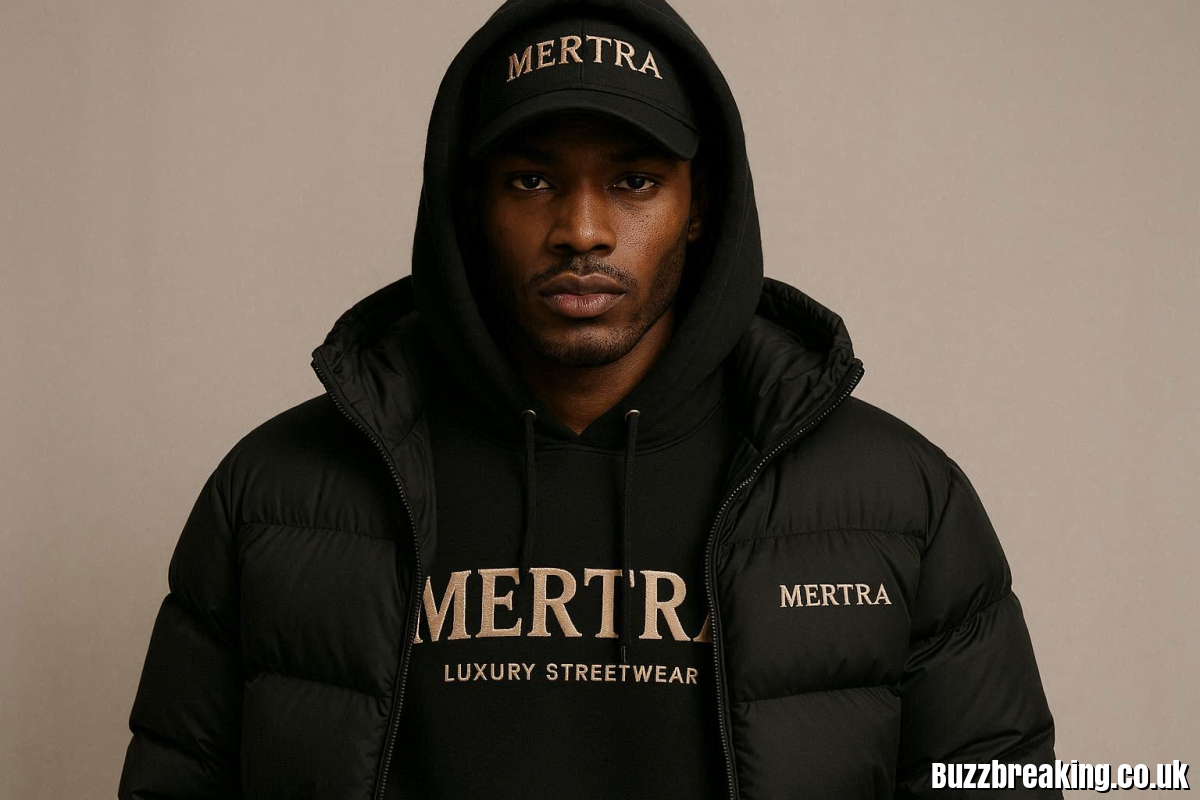
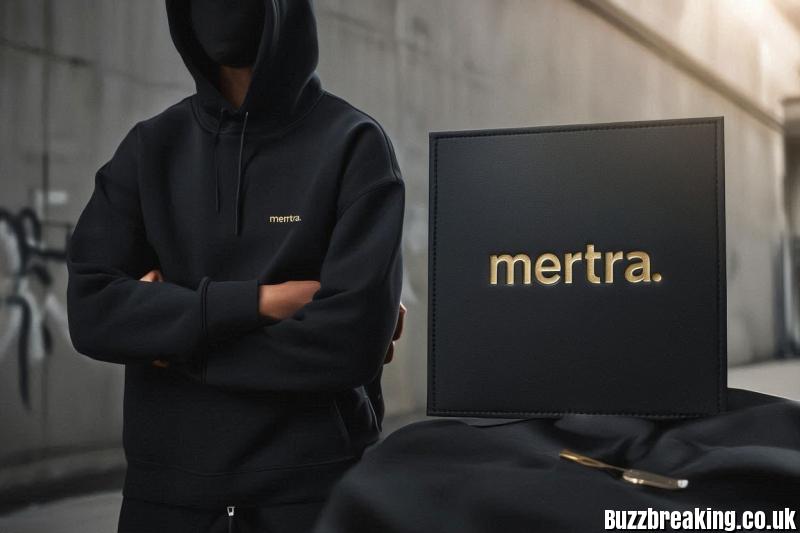
Mertra has emerged as one of the most talked-about luxury streetwear labels in 2026, blending technical fabrics, elevated silhouettes, and limited capsule drops into a modern fashion identity. Based in London, the brand operates through mertra.com and focuses on small-batch collections that merge streetwear aesthetics with premium construction.

Unlike fast-fashion brands chasing trends, Mertra positions itself within the growing tech-luxury streetwear market, where details such as grid quilting, translucent layers, carbon-inspired hardware, and oversized tailoring define the look.

In 2026, Mertra continues to release monthly collections, each tied to a specific month. The MARCH 2026 drop stands out for its strong outerwear lineup, matching tracksuits, and statement accessories.

This guide explains what Mertra is, pricing, sizing, quality, and why the brand continues gaining attention in luxury streetwear.


What Is Mertra? Brand Overview for 2026

Mertra 2026: Luxury Streetwear Brand — Drops, Pricing & MARCH

Mertra 2026: Luxury Streetwear Brand — Drops, Pricing & MARCH

Mertra is a direct-to-consumer luxury streetwear brand focused on limited-edition clothing drops.

The company sells primarily through:

Official Website: mertra.com

Unlike mainstream luxury labels, Mertra uses a monthly capsule model rather than traditional seasonal fashion calendars.

Mertra Brand Identity

The brand aesthetic combines:

  • Technical outerwear
  • Utility-inspired details
  • Premium streetwear silhouettes
  • Minimal branding
  • Functional accessories
  • Structured oversized fits

Mertra avoids loud graphics and instead focuses on construction, texture, and silhouette.

Core Brand DNA

Tech-Lux Aesthetic

Mertra pieces often feature:

  • Grid quilting
  • Water-resistant materials
  • Monogram buckles
  • Utility pockets
  • Layered shell fabrics

Premium Construction

Materials emphasize durability and elevated feel.

Common elements include:

  • Heavyweight denim
  • Reinforced stitching
  • Matte-finish fabrics
  • Carbon-style trims

Limited Production

Collections release in limited quantities.

This creates scarcity and encourages quick purchases during drops.


MARCH 2026 Collection: Full Drop List & Pricing

The MARCH 2026 Mertra capsule introduced nine core pieces.

The collection balances outerwear, accessories, denim, and athleisure.

MARCH 2026 Product List

Item Price Category
Grid Puffa (Black) $475 Outerwear
Translucent Jacket (Purple) $320 Outerwear
Monogram Shell Jacket 2.0 (Blue) $365 Outerwear
Transforma Bag $220 Accessories
Reverse Bigstep Denim (Indigo/Gold) $185 Denim
Sport Tracksuit Jacket (Blue) $180 Athleisure
Sport Tracksuit Bottoms (Blue) $180 Athleisure
Piping Hood (Grey) $185 Hoodie
Piping Joggers (Grey) $185 Sweatpants

Hero Pieces from MARCH 2026

Grid Puffa (Black)

The standout item of the drop.

Features include:

  • Oversized structure
  • Signature grid baffle design
  • Technical insulation
  • Cropped streetwear fit

Transforma Bag

One of Mertra’s strongest accessories.

Convertible carrying options create versatility.

Reverse Bigstep Denim

Heavy denim construction with contrast stitching.


Mertra Pricing: Luxury Positioning Explained

Mertra sits within the accessible luxury category.

The pricing structure places it above fast fashion but below elite designer houses.

Mertra Price Range in 2026

Category Average Price
Hoodies $180–$185
Joggers $180–$185
Denim $185
Bags $220
Outerwear $320–$475

Why Mertra Costs More Than Standard Streetwear

Several factors influence pricing.

Small Production Runs

Limited inventory increases exclusivity.

Technical Fabrics

Premium materials cost more than standard cotton basics.

Luxury-Level Finishing

Hardware, stitching, and detailing elevate construction.

Direct-to-Consumer Model

No retail middleman markup.


Mertra Sizing & Fit Guide for 2026

Mertra’s sizing leans toward oversized luxury streetwear proportions.

The brand generally favors relaxed silhouettes.

Fit Breakdown by Product

Grid Puffa

  • Boxy fit
  • Cropped profile
  • Structured shoulders
  • Size up for layering

Translucent Jacket

  • Lightweight shell fit
  • Works over hoodies
  • Slightly oversized

Tracksuits

  • Relaxed but true-to-size
  • Designed as coordinated sets

Reverse Bigstep Denim

  • Wide-leg fit
  • Heavyweight feel
  • Check inseam carefully

Sizing Recommendation

Because Mertra drops often sell out, returns may be limited.

Always review:

  • Product measurements
  • Chest width
  • Sleeve length
  • Inseam sizing

How to Buy Mertra in 2026

Mertra currently sells directly through its own website.

Official Buying Platform

Website: mertra.com

No major third-party stockists are widely confirmed for 2026.

How the Buying Process Works

Monthly Drops

New collections launch monthly.

Examples include:

  • MARCH 2026
  • APRIL 2026
  • MAY 2026

Limited Stock

Inventory is intentionally restricted.

Popular pieces often sell quickly.

Filters & Sorting

The website includes:

  • Category filters
  • Price sorting
  • Product grouping

Best Buying Strategy

For limited releases:

  • Sign up for notifications
  • Shop at launch time
  • Focus on popular outerwear early

Mertra vs Other Luxury Streetwear Brands

Mertra competes with several modern luxury labels.

Streetwear Brand Comparison

Brand Price Range Signature Style
Mertra $180–$475 Technical luxury
Represent $150–$600 Gym-streetwear
Rhude $300–$1,200 Americana luxury
Amiri $500–$2,000+ Distressed rock aesthetic

Where Mertra Stands Out

Mertra focuses less on logos and graphics.

Its identity centers around:

  • Construction
  • Utility
  • Materials
  • Technical layering

This appeals to buyers wanting understated luxury.


Is Mertra Worth It in 2026?

Whether Mertra is worth buying depends on your expectations.

Pros

Unique Design Language

Distinctive technical aesthetic.

Premium Feel

Higher-end finishing compared to mass-market streetwear.

Accessible Luxury Pricing

Luxury look without four-figure prices.

Strong Capsule Consistency

Collections feel curated rather than random.

Cons

No Physical Stores

Fit testing can be difficult.

Limited Resale Market

Still developing compared to established labels.

Higher Outerwear Pricing

The $475 Grid Puffa competes with premium outerwear brands.


Upcoming Mertra Releases After MARCH 2026

Mertra’s drop schedule suggests ongoing monthly launches.

Expected Trends for Future Drops

New Grid Puffa Colorways

Likely seasonal updates.

Expanded Accessories

Potential Transforma Bag variations.

Summer Shell Pieces

Lighter translucent fabrics.

More Denim Styles

Expanded wash options.

How to Track Releases

Follow:

  • mertra.com
  • Brand newsletters
  • Drop alerts
  • Social media previews

Final Verdict: Mertra in 2026

Mertra continues growing as a serious contender in the luxury streetwear market.

The brand’s strengths include:

Best Pieces from MARCH 2026

  • Grid Puffa (Black) — $475
  • Translucent Jacket (Purple) — $320
  • Transforma Bag — $220
  • Reverse Bigstep Denim — $185

For buyers seeking modern tech-lux streetwear without ultra-high designer pricing, Mertra offers a distinctive alternative.

Shop Direct: mertra.com

Mertra’s appeal lies in limited drops, thoughtful design, and fashion-forward utility — making it one of the more interesting streetwear brands to watch in 2026.

Continue Reading
Click to comment

Leave a Reply

Your email address will not be published. Required fields are marked *

Fashion

Chunky Dad Sneaker Resurgence 2026: Why the Oversized Retro Look Is Still Making Waves (and What’s Next)
Published

on

By

Chunky Dad Sneaker Resurgence

In 2026, the Chunky Dad Sneaker Resurgence is far from over—it’s simply evolving. Once labeled as “ugly” footwear, these oversized, retro-inspired sneakers have become a defining element of modern streetwear, athleisure, and even luxury fashion.

From New Balance and Asics to Nike and Hoka, brands continue to reinvent the trend with advanced cushioning, bold silhouettes, and nostalgic aesthetics. Whether you’re searching for “dad shoes trend 2026” or wondering if chunky sneakers are still in style, this guide delivers everything you need to know.


What Are Chunky Dad Sneakers?

Chunky Dad Sneaker Resurgence

Chunky Dad Sneaker Resurgence

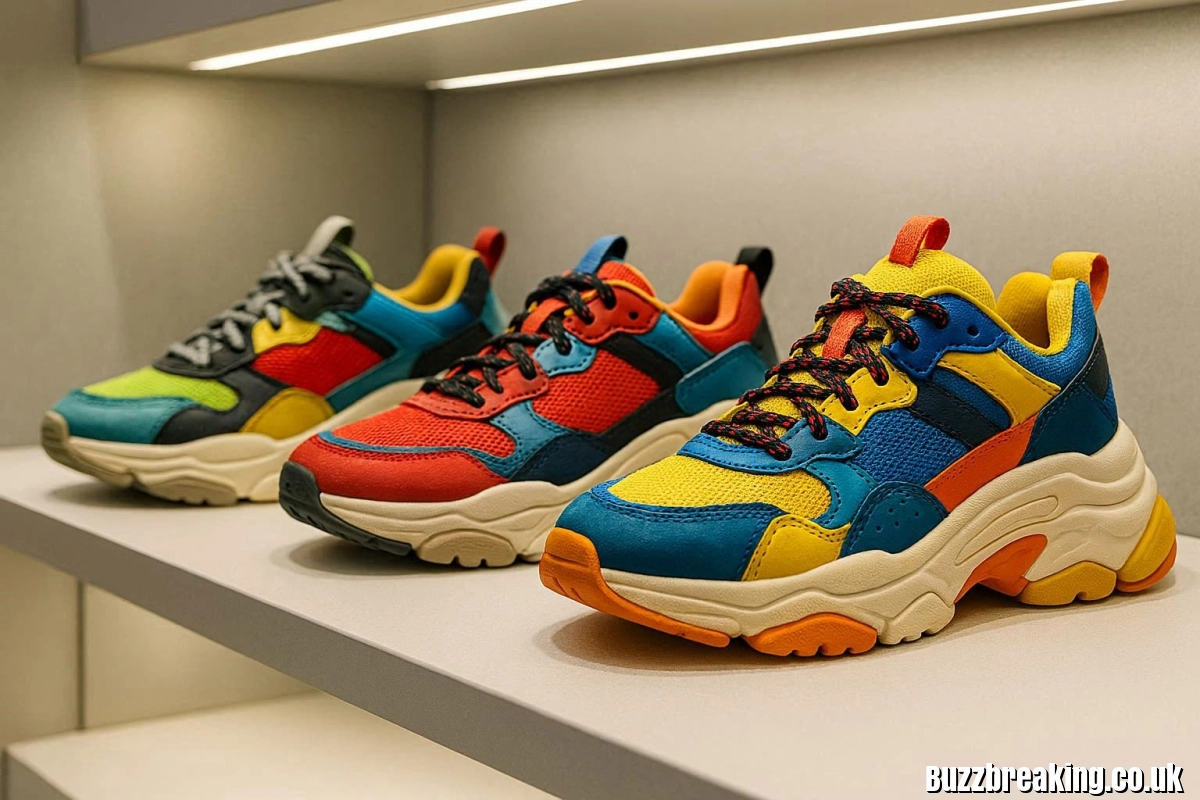
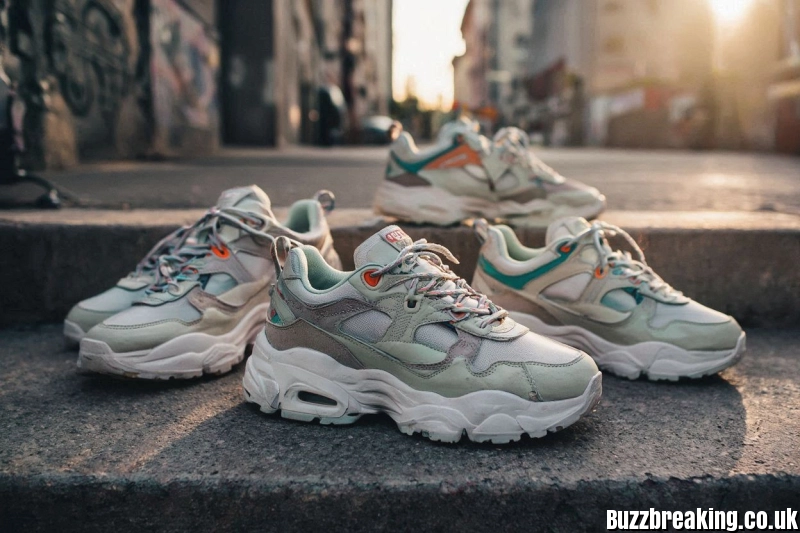
Chunky dad sneakers, also known as dad shoes or dadcore sneakers, are defined by their thick soles, bulky structure, and retro athletic design. Inspired by 1990s and early 2000s running shoes, they prioritize comfort and durability over sleek aesthetics.

These sneakers typically feature:

  • Oversized midsoles with visible cushioning technologies like ABZORB or GEL
  • Mesh and leather uppers for breathability and support
  • Neutral or muted color palettes for everyday versatility

What started as a practical footwear choice for middle-aged dads has transformed into a fashion statement. The appeal lies in its “ugly-pretty” aesthetic—a blend of functionality and irony that resonates with modern consumers.

Today, chunky sneakers are worn with everything from baggy jeans to tailored suits, proving their adaptability across styles.


The History Behind the Dad Sneaker Trend

The origins of chunky dad sneakers go back decades. Brands like New Balance and Asics produced performance running shoes designed for support, cushioning, and long-distance comfort. Models like the New Balance 990 series became staples for everyday wearers—not trendsetters.

The shift began in the late 2010s, when the fashion world embraced the “ugly sneaker” movement. Luxury brands like Balenciaga (Triple S) and Adidas Yeezy 700 reintroduced bulky silhouettes, turning practicality into high-fashion desirability.

By the early 2020s, the trend exploded:

  • Influencers embraced normcore aesthetics
  • Celebrities wore chunky sneakers in everyday outfits
  • Streetwear brands integrated them into mainstream fashion

The post-pandemic era (2023–2025) further accelerated the trend. As comfort became essential, consumers gravitated toward cushioned, supportive footwear—making dad sneakers a natural choice.


Why the Chunky Dad Sneaker Resurgence Happened

The resurgence of chunky dad sneakers isn’t random—it’s driven by several powerful cultural and fashion shifts.

1. Comfort Became Non-Negotiable

In a fast-paced world, people demand all-day comfort. Chunky sneakers provide shock absorption, arch support, and stability, making them ideal for long wear.

2. Rise of Normcore and Anti-Fashion

The normcore movement celebrates ordinary, functional clothing. Dad sneakers perfectly embody this philosophy—simple, practical, and intentionally unflashy.

3. Celebrity Influence

High-profile figures like Hailey Bieber, Kendall Jenner, and Jennifer Lawrence have been spotted wearing chunky sneakers, elevating their status from practical to fashion-forward.

4. Brand Innovation

Brands have modernized classic designs with:

  • New materials
  • Improved cushioning systems
  • Collaborative releases

5. Cyclical Fashion Trends

Fashion always rotates. After years of minimalist sneakers, the pendulum swung back toward volume and nostalgia.


Current Status of Chunky Dad Sneakers in 2026

In 2026, the chunky sneaker trend sits at an interesting crossroads. While some fashion insiders claim it’s declining, the reality is more nuanced—it’s evolving rather than disappearing.

What’s Changing?

  • A shift toward sleeker, low-profile sneakers
  • Growing interest in “sneakerina” styles (ballet-inspired hybrids)
  • Demand for lighter, more refined silhouettes

What’s Staying Strong?

  • Retro running sneakers with moderate chunkiness
  • Comfort-focused designs from brands like Hoka and Asics
  • Heritage models with updated aesthetics

Stylists often describe the current phase as “refined chunkiness”—less exaggerated, more wearable. The trend has also merged with techwear and minimalist fashion, creating a hybrid style that feels fresh.

Despite shifting tastes, consumer demand remains strong, largely due to the unmatched comfort these sneakers provide.


Top Chunky Dad Sneaker Models in 2026

Several models continue to dominate the chunky dad sneaker resurgence:

New Balance лид the Movement

  • New Balance 9060 – Bold design with layered cushioning
  • New Balance 990 series – Timeless comfort and style
  • New Balance 530 – Affordable and versatile

Asics Rising Popularity

  • Asics Gel-2160 – Retro aesthetic with modern comfort
  • Asics Gel-Kayano series – Performance meets lifestyle

Nike’s Retro Comeback

  • Nike Zoom Vomero 5 – Lightweight yet chunky
  • Nike P-6000 – Early 2000s running vibe

Max Cushion Brands

  • Hoka One One – Extreme comfort and bold soles
  • On Running – Tech-forward cushioning systems

These models balance style, comfort, and durability, making them top choices in 2026.


How to Style Chunky Dad Sneakers in 2026

Styling chunky sneakers in 2026 is all about balance and contrast.

Casual Streetwear

Pair with wide-leg jeans, oversized hoodies, or cargo pants for a relaxed, effortless look.

Smart-Casual Outfits

Combine with tailored trousers and structured blazers to create a contrast between formal and casual elements.

Layered Winter Fits

Chunky sneakers work well with heavy coats and knitwear, balancing the overall silhouette.

Women’s Styling Trends

Many fashion influencers pair them with:

  • Flowy dresses
  • Mini skirts
  • Oversized outerwear

Styling Tip

Stick to neutral tones like white, gray, or beige to keep the look modern and versatile.


Pros and Cons of Chunky Dad Sneakers

Pros Cons
Exceptional comfort Can feel bulky
Trendy yet nostalgic May look dated if overdone
Versatile styling options Not ideal for formal outfits
Durable and supportive Heavier than slim sneakers

Overall, they’re ideal for those who prioritize comfort and practicality without sacrificing style.


What’s Next for Chunky Sneakers Beyond 2026?

The future of the chunky dad sneaker trend lies in evolution, not extinction.

Expected Trends

  • Hybrid silhouettes blending chunky and slim designs
  • Increased use of sustainable materials
  • Growth of gender-neutral footwear
  • Integration of advanced cushioning technology

Brands are likely to move toward subtle bulk—keeping comfort while refining aesthetics.

The rise of low-profile sneakers may challenge chunky designs, but the demand for comfort-driven footwear ensures they won’t disappear anytime soon.


Final Thoughts on the Chunky Dad Sneaker Resurgence

The chunky dad sneaker resurgence in 2026 proves that fashion isn’t just about looks—it’s about function, nostalgia, and adaptability.

What began as practical footwear has become a global style movement, influencing everything from streetwear to luxury fashion. While trends may shift toward slimmer designs, chunky sneakers continue to hold their ground thanks to comfort and versatility.

If you’re investing in a pair, go for classic models like New Balance or Asics for long-term wear. And if you’re exploring new trends, keep an eye on hybrid styles that blend the best of both worlds.

Continue Reading

Fashion

Bootjas: The Essential Dutch Sailing Jacket and Marine Outerwear Guide – History, Features, Best Brands, Buying Advice, and Latest Trends for Boaters and Sailors

Published

on

By

Bootjas: The Essential Dutch Sailing Jacket and Marine Outerwear

When weather turns rough on open water, clothing stops being about style and becomes about safety, comfort, and performance. That is where the bootjas comes in. The word comes from Dutch, where “boot” means boat and “jas” means jacket. Over time, the term became associated with durable marine outerwear designed to handle wind, rain, salt spray, and rapidly changing temperatures.

In 2026, the bootjas is more relevant than ever. Recreational sailing is growing, coastal cruising is popular across Europe and North America, and more people are investing in gear that lasts longer and performs better. Whether you are a weekend sailor, yacht owner, angler, or simply someone living in a windy coastal climate, a quality bootjas can be one of the smartest purchases you make.

This complete guide explains everything you need to know.


What Is a Bootjas?

Bootjas

Bootjas

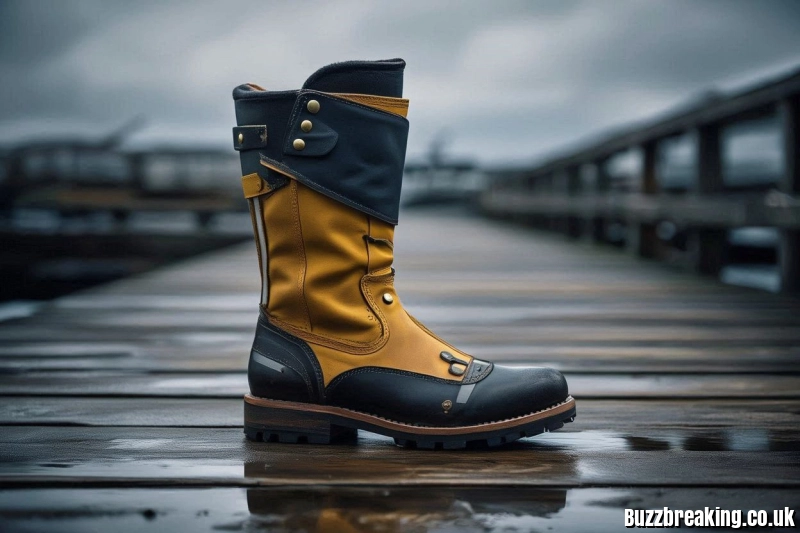
A bootjas is a purpose-built jacket made for boating and sailing conditions. Unlike standard raincoats, it is engineered to protect against marine wind chill, sea spray, heavy rain, and constant movement.

Most modern bootjassen include:

  • Waterproof outer shell
  • Windproof membrane
  • Breathable construction
  • High storm collar
  • Adjustable hood
  • Sealed cuffs
  • Marine-grade zippers
  • Reinforced elbows and shoulders

These jackets are commonly used for:

  • Sailing
  • Yachting
  • Fishing
  • Kayaking
  • Ferry work
  • Coastal hiking
  • Dockside work

A bootjas is especially valuable because weather at sea changes quickly. A sunny morning can become a cold, wet afternoon within minutes. Having dependable outerwear often determines whether a trip stays enjoyable or becomes miserable.


The Dutch Origins of the Bootjas

The Netherlands has one of the strongest maritime histories in the world. For centuries, Dutch sailors, traders, and fishermen navigated the North Sea, one of Europe’s roughest bodies of water. They needed outerwear that could survive wind, rain, and freezing spray.

Early bootjas designs were made from:

  • Heavy wool
  • Waxed cotton
  • Oiled canvas
  • Layered leather trims

These older garments were bulky, but they worked. Their main job was simple: keep sailors warm enough to function.

As marine technology advanced, clothing evolved too. By the late 20th century, synthetic fabrics transformed sailing gear. Waterproof breathable membranes replaced stiff waxed cloth, and jackets became lighter, warmer, and easier to move in.

Today’s bootjas still carries that Dutch heritage: practical design first, appearance second.


Why a Bootjas Is Better Than a Normal Rain Jacket

Many first-time boaters assume a hiking shell or city raincoat will be enough. Usually, they discover the difference fast.

1. Saltwater Resistance

Salt is harsh on fabrics, seams, and zippers. Marine jackets are built to resist corrosion and wear.

2. Stronger Wind Protection

Wind over water feels colder because of moisture and exposure. A true bootjas blocks wind more effectively than casual outerwear.

3. Better Movement

Sailing requires reaching, pulling ropes, crouching, and balancing. Marine jackets are cut for motion.

4. Secure Hood Systems

Regular hoods flap in wind. Bootjas hoods tighten properly and often include stiff brims.

5. Longer Coverage

Many bootjassen are slightly longer to protect the lower back while seated or bending.

That difference matters during long days offshore.


Core Features of the Best Bootjas Models in 2026

In 2026, premium sailing jackets are highly advanced. Here are the features worth prioritizing.

Waterproof Ratings

Look for 15,000 mm to 30,000 mm waterproof ratings. Higher ratings usually mean better storm performance.

Breathability

If sweat cannot escape, you get damp from the inside. Good breathability keeps comfort levels high during active sailing.

High Collar Protection

A fleece-lined storm collar protects the neck from cold wind and spray.

Double Sealed Cuffs

Latex, neoprene, or Velcro cuffs help stop water entering through sleeves.

Reflective Safety Panels

Useful in fog, low light, or emergency situations.

Reinforced Panels

Elbows, shoulders, and seat areas often receive abrasion-resistant overlays.

Storage

Good jackets include:

  • Waterproof chest pockets
  • Hand-warmer pockets
  • Internal dry pocket for phone/documents
  • Tool loops or D-rings

Eco Materials

Many 2026 brands now use:

  • Recycled polyester
  • PFC-free coatings
  • Ocean-plastic yarns
  • Bluesign-approved fabrics

Best Bootjas Brands in 2026

Several brands dominate marine outerwear because they consistently perform in real conditions.

Helly Hansen

One of the most respected names in sailing apparel. Popular for the Aegir, Skagen, and Crew lines. Excellent waterproofing and offshore credibility.

Musto

Premium British sailing gear trusted by racers and serious cruisers. The MPX and BR series remain favorites.

Gill

Strong balance of price and quality. Known for dependable inshore and offshore jackets.

Zhik

Innovative Australian brand popular with performance sailors. Lightweight and technical.

Marinepool

European brand with stylish yet functional marine clothing.

Tribord / Decathlon

Great budget-friendly entry point for beginners.

Typical Price Range in 2026

Category Price
Entry Level $120–$220
Mid Range $250–$450
Premium Offshore $500–$900+

How to Choose the Right Bootjas for Your Needs

Not every sailor needs the most expensive offshore jacket. Buy based on actual use.

For Casual Day Sailing

Choose:

  • Lightweight shell
  • Good breathability
  • Basic hood
  • Comfortable fit

For Coastal Cruising

Choose:

  • Stronger waterproofing
  • Better collar protection
  • More pockets
  • Durable outer shell

For Offshore / Ocean Passages

Choose:

  • Heavy-duty storm construction
  • Neon hood panels
  • Double cuffs
  • Safety reflective tape
  • Maximum waterproofing

For Fishing

Choose:

For Everyday Coastal Use

Many people now wear bootjas jackets casually in wet climates because they outperform fashion coats.


Bootjas Trends and Innovations in 2026

Marine clothing continues to evolve fast. Current trends include:

Sustainability

Consumers increasingly prefer brands using recycled materials and ethical production.

Modular Jackets

Removable insulated liners let one jacket work in multiple seasons.

Heated Technology

Premium models now offer battery-heated chest or pocket zones.

Urban Styling

Slimmer cuts allow jackets to transition from marina to city street.

Women-Specific Fit

More brands now design true female patterns rather than smaller men’s cuts.

Smart Storage

Dedicated waterproof phone pockets and charging cable routing are becoming common.

The bootjas of 2026 is far more versatile than older generations.


How to Care for a Bootjas Properly

A good sailing jacket can last many years if maintained well.

After Saltwater Use

Always rinse with fresh water. Salt crystals slowly damage fabric and zippers.

Washing

Use technical detergent only. Avoid fabric softener.

Reproofing

If water stops beading on the surface, reapply a DWR treatment.

Drying

Air dry naturally. Avoid high heat dryers unless manufacturer-approved.

Storage

Hang in a cool dry area, not compressed in a damp locker.

Proper care can extend lifespan to 5–10 years or more.


Why Every Sailor Needs a Bootjas in 2026

Weather remains the biggest variable in boating. Engines can be serviced, routes can be planned, but wind and rain follow their own rules. A dependable bootjas gives you confidence when conditions shift.

It helps you stay:

  • Dry
  • Warm
  • Focused
  • Safer
  • More comfortable for longer periods

For beginners, it can turn an uncomfortable first sailing season into an enjoyable one. For experienced mariners, it remains one of the most important pieces of kit onboard.

The bootjas is not just a jacket—it is maritime equipment.


Conclusion

In 2026, the bootjas continues to prove why it has remained a staple of sailing culture for generations. Born from Dutch maritime tradition and refined by modern textile innovation, it offers a level of protection ordinary outerwear cannot match.

Whether you are crossing channels, racing around buoys, fishing offshore, or simply walking a windy harbor in winter, the right bootjas delivers lasting value. Choose carefully, maintain it properly, and it may become the most useful jacket you own.

Continue Reading

Fashion

Birhcplace: Reimagining Community, Space, and Human Connection

Published

on

By

Birhcplace: Reimagining Community, Space, and Human Connection

Introduction

In every era, certain ideas emerge that reshape how people understand community, environment, and belonging. Some concepts appear suddenly, gaining attention because they reflect deeper changes happening in society. One such emerging concept is birhcplace, a term that has gradually sparked curiosity across discussions about modern living, collaboration, and shared environments.

At first glance, the word may appear unfamiliar, yet its underlying meaning connects with something deeply human—the desire for spaces where ideas grow, relationships develop, and people feel connected to both their surroundings and each other. As modern lifestyles evolve, traditional definitions of home, workplace, and community are also shifting. The concept of birhcplace attempts to capture this transformation.

Rather than describing a single physical location, birhcplace represents a broader idea about environments designed to encourage interaction, creativity, and meaningful engagement. It combines elements of community design, cultural symbolism, and collaborative space. Some interpretations focus on modern living environments, while others emphasize the symbolic relationship between people, nature, and shared identity.

Understanding birhcplace requires exploring its meaning, historical influences, practical applications, and the reasons it resonates with contemporary society. When examined closely, it reveals an intriguing blend of architecture, culture, psychology, and human connection.

What Is birhcplace

The term birhcplace describes a conceptual environment where people, ideas, and resources come together in a structured yet flexible setting. It refers to spaces designed to encourage collaboration, communication, and creativity rather than simply serving as passive locations for living or working.

Will You Check This Article: Oronsuuts: Understanding the Structure of Modern Urban Living

In its simplest interpretation, birhcplace represents a place that supports meaningful interaction. Unlike traditional environments that serve only one function—such as a house strictly for living or an office solely for work—a birhcplace integrates multiple aspects of human activity. It becomes a location where learning, innovation, and social connection naturally occur.

Some interpretations of the concept emphasize modern housing and lifestyle design, where living spaces are carefully planned to balance comfort, productivity, and emotional well-being. These environments often integrate thoughtful architecture, natural light, community spaces, and adaptable interiors that support modern life.

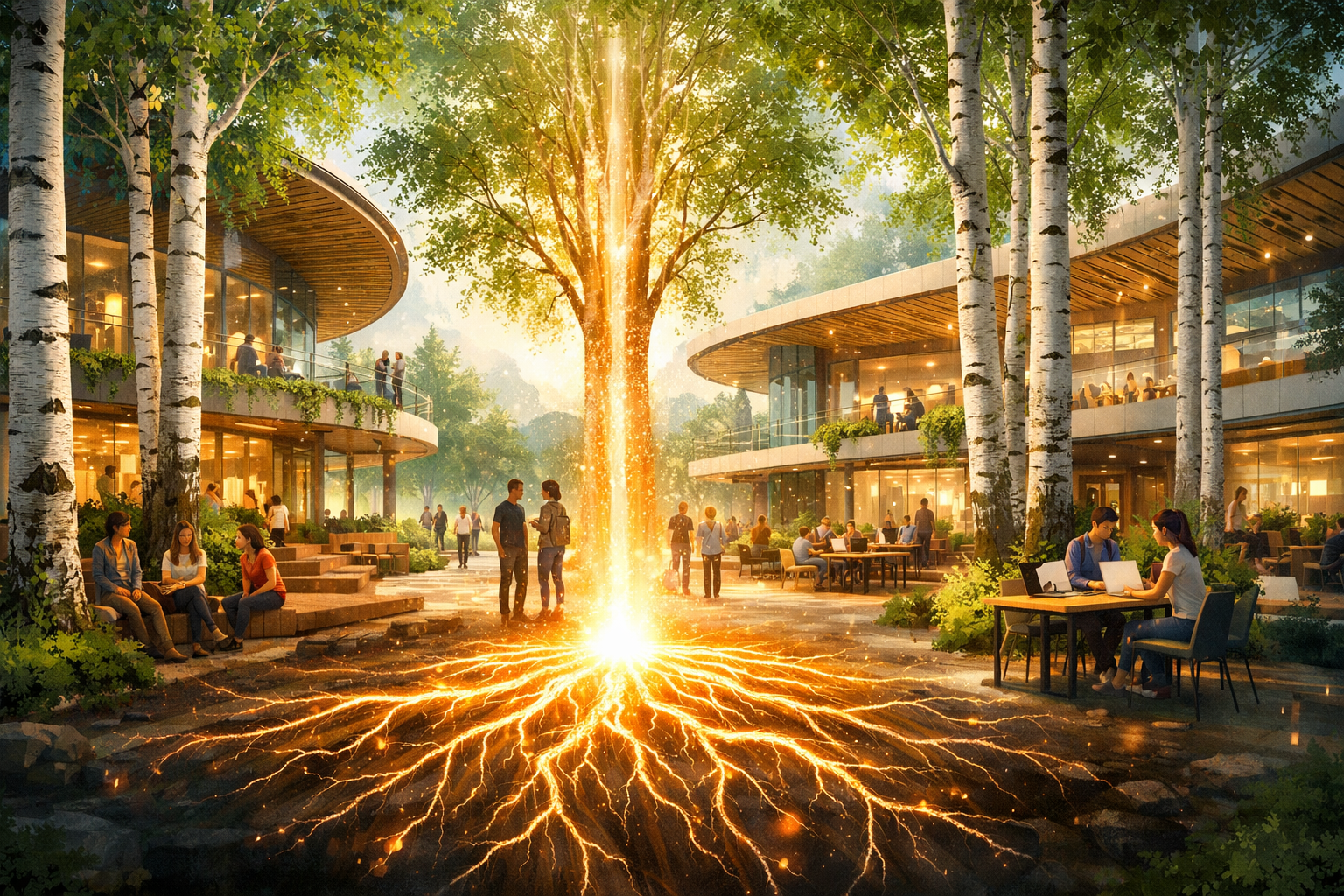
Other interpretations view birhcplace as a symbolic idea rooted in cultural traditions. In certain cultural narratives, the word reflects deeper connections between people and the natural world, particularly the symbolism of the birch tree, which historically represents renewal and growth.

Despite these varied interpretations, the central idea remains consistent. Birhcplace represents an environment intentionally designed to foster connection, creativity, and human flourishing.

The Historical Roots and Symbolic Meaning of birhcplace

Although the modern usage of birhcplace feels contemporary, the ideas behind it draw from much older cultural traditions. Many societies historically viewed spaces not merely as physical structures but as living environments shaped by human relationships, nature, and cultural identity.

The linguistic origins of the word appear to combine references to nature and place. In some cultural interpretations, the “birch” element relates to the birch tree, a symbol widely associated with renewal, resilience, and new beginnings. In Celtic traditions, for instance, the birch tree often represented rebirth after difficult seasons, symbolizing hope and transformation.

These symbolic meanings connect strongly with the broader philosophy of birhcplace. Just as the birch tree represents regeneration, a birhcplace represents environments where individuals and communities can grow, adapt, and renew themselves.

Throughout history, communities often organized their settlements around shared spaces such as gathering areas, marketplaces, or cultural centers. These locations were not simply practical structures but also places where stories, traditions, and social bonds developed.

The modern concept of birhcplace reflects a revival of this ancient understanding of place—an understanding that emphasizes emotional connection and social interaction rather than purely functional design.

birhcplace and the Transformation of Modern Living

The meaning of home has changed dramatically over the past few decades. In earlier generations, homes were primarily private spaces focused on shelter and family life. Work, education, and community engagement usually occurred in separate locations.

Today, those boundaries are increasingly blurred. People often work remotely, learn online, and connect socially through both physical and virtual communities. As a result, modern living spaces must support a wider range of activities.

The concept of birhcplace responds directly to this transformation. It suggests that homes and environments should be designed to support flexible lifestyles rather than rigid routines.

In practical terms, this may include open architectural layouts that allow spaces to shift between work, relaxation, and social interaction. It may also involve shared facilities such as community gardens, co-working areas, or creative studios that encourage residents to interact.

Such environments promote a stronger sense of belonging. When people share spaces that support collaboration and communication, they naturally form stronger relationships with neighbors and community members.

In this sense, birhcplace becomes more than a housing concept. It becomes a philosophy of living that prioritizes connection and adaptability.

Architectural Principles Behind birhcplace Environments

Architecture plays a central role in shaping how people experience their surroundings. The concept of birhcplace encourages architectural designs that prioritize openness, functionality, and human comfort.

One key principle is flexibility. Modern living environments must adapt to changing needs, whether those needs involve working from home, hosting community gatherings, or simply finding quiet spaces for reflection. Adaptable layouts allow rooms to serve multiple purposes throughout the day.

Another important principle involves natural integration. Spaces designed according to the philosophy of birhcplace often emphasize natural light, greenery, and open airflow. These elements improve both physical comfort and emotional well-being.

Thoughtful storage solutions and minimalistic design also play a role. By reducing clutter and maximizing efficiency, environments become calmer and easier to navigate.

In many ways, these architectural choices reflect a deeper understanding of how physical surroundings influence mood, productivity, and social interaction.

Community and Social Interaction in birhcplace

One of the most powerful aspects of birhcplace lies in its focus on community. Human beings naturally seek connection, yet modern urban life can sometimes lead to isolation despite physical proximity.

Traditional residential designs often limit interaction between neighbors. People may live in the same building for years without developing meaningful relationships.

A birhcplace environment attempts to reverse this pattern by encouraging shared experiences. Community spaces such as gardens, lounges, creative workshops, and gathering areas allow residents to interact naturally.

These spaces do not force interaction but create opportunities for it. Over time, casual conversations can grow into friendships, collaborations, and support networks.

Community engagement also strengthens resilience. When people feel connected to those around them, they are more likely to support each other during difficult times and celebrate successes together.

In this way, birhcplace helps transform residential environments into living communities rather than isolated structures.

Emotional Well-Being and the Human Experience of birhcplace

The environments people inhabit have a profound influence on their mental and emotional health. Noise levels, lighting, spatial design, and access to nature all affect how individuals feel and function daily.

The philosophy of birhcplace recognizes this connection and places strong emphasis on emotional well-being.

Spaces designed with this concept often include calming visual elements, natural textures, and balanced lighting. Such design choices create an atmosphere that supports relaxation and focus.

Access to outdoor environments also plays an important role. Gardens, balconies, and green areas allow residents to reconnect with nature, which research consistently associates with improved mood and reduced stress.

Equally important is the sense of belonging that emerges from shared environments. Feeling part of a supportive community can significantly improve psychological well-being and overall life satisfaction.

In this sense, birhcplace becomes not only an architectural or social concept but also a framework for healthier living.

The Role of Innovation in Shaping Future birhcplace Spaces

As technology and society continue to evolve, living environments will likely undergo further transformation. The concept of birhcplace provides a flexible foundation for future innovations in housing and community design.

Emerging architectural methods such as modular construction may allow buildings to adapt more easily to changing needs. Sustainable materials and renewable energy systems could also become integral elements of these environments.

Future birhcplace spaces may incorporate advanced environmental controls, efficient energy management, and intelligent systems that optimize lighting, temperature, and resource usage.

However, the essence of the concept will remain centered on human experience. No matter how advanced technology becomes, the core purpose of birhcplace will still involve creating environments where people feel connected, inspired, and supported.

Cultural Influence and Global Relevance of birhcplace

Although the term birhcplace is relatively new in modern discussions, the ideas it represents are universally relevant. Across cultures and continents, people share a common desire for meaningful environments that support both individuality and community.

Different societies may interpret the concept in unique ways depending on cultural traditions, architectural styles, and social values. Yet the underlying principles remain recognizable everywhere.

In rapidly growing cities, birhcplace ideas may influence urban housing design. In smaller communities, the concept may inspire cooperative living environments that balance privacy with social engagement.

The adaptability of the concept ensures that it can evolve alongside cultural and technological changes, making it a valuable framework for future community development.

Conclusion

The concept of birhcplace offers a thoughtful response to many of the challenges and opportunities shaping modern society. By combining architectural design, community interaction, and cultural symbolism, it provides a fresh perspective on how environments can support human connection and creativity.

Rather than focusing solely on buildings or physical spaces, birhcplace highlights the deeper relationship between people and the places they inhabit. It encourages environments that nurture collaboration, promote well-being, and strengthen community bonds.

As lifestyles continue to change and cities expand, the ideas embodied in birhcplace may become increasingly relevant. Whether interpreted as a design philosophy, a social framework, or a cultural symbol, it ultimately represents a vision of living spaces that truly serve the needs of human life.

FAQs

What does birhcplace mean?
Birhcplace refers to a conceptual environment where people, ideas, and resources come together to encourage collaboration, creativity, and community interaction.

Is birhcplace a physical place or a concept?
Birhcplace can represent both. It may describe a specific environment designed around community and innovation, but it is also widely understood as a broader philosophical idea about connected living spaces.

Why is birhcplace gaining attention in modern discussions?
The concept reflects changing lifestyles where living, working, and socializing often occur in the same environment. It highlights the need for spaces that support flexible and collaborative living.

How does birhcplace influence modern housing design?
Birhcplace encourages open layouts, community areas, natural integration, and adaptable living spaces that support both productivity and relaxation.

Can the idea of birhcplace apply to communities and cities?
Yes. The principles of birhcplace can influence urban planning, residential design, and community development by emphasizing shared spaces and stronger social connections.

Continue Reading

Trending

Copyright © 2026 Buzz breaking