Connect with us

Health

Does Egg Freezing Hurt? Injections, Retrieval and Recovery Explained

Published

on

If you’ve been looking into fertility preservation – whether from wanting to postpone your pregnancy or just plain curiosity – you may have wondered if egg freezing is as simple and easy as everyone makes it seem. After all, for all we keep reading about this procedure and its wonders, there’s always very little mention of how comfortable it really is.

Well, like any other medical procedure that involves your hormones and some surgical stuff, egg freezing has its fair share of uncomfortable moments. But nothing about it can hurt you in any way whatsoever. In fact, once you read through what happens at each stage of this procedure, you’ll know exactly if it’s up your alley. So, keeping that in mind, let’s break down the entire egg-freezing process and figure out what the experience usually looks like.

Are hormone injections for egg freezing uncomfortable?

The first stage of an egg freeze usually involves stimulating your body’s hormones to trigger egg production. Normally, your body releases only one egg per menstrual cycle. But for this procedure, the doctors will require your ovaries to produce multiple eggs at once. This may sound abnormal at first, but it is all done in a very controlled manner and is very safe.

To ready your ovaries for the process, you’ll be asked to take daily hormone injections for 10 to 14 days in advance. These are smaller injections with extremely thin needles, administered just under the skin in areas such as the abdomen or upper thigh. It’ll only be a quick pinch that will last no more than a second.

Now, because the ovaries are being stimulated to produce multiple eggs, they tend to swell slightly, creating a feeling of bloating or heaviness. At the same time, you may also notice a few side effects from the hormone injections – things like mood swings, fatigue, breast tenderness, or headaches. These will feel similar to the hormonal fluctuations before a period, so nothing to worry about.

During this phase, any good clinic offering egg freezing in London will ensure your health is constantly monitored through blood tests and ultrasounds. So you can rest assured that everything here is within expectations. While yes, this part of the process does require a bit of patience and commitment, it will be nowhere near as uncomfortable as people assume.

What happens during the egg retrieval itself?

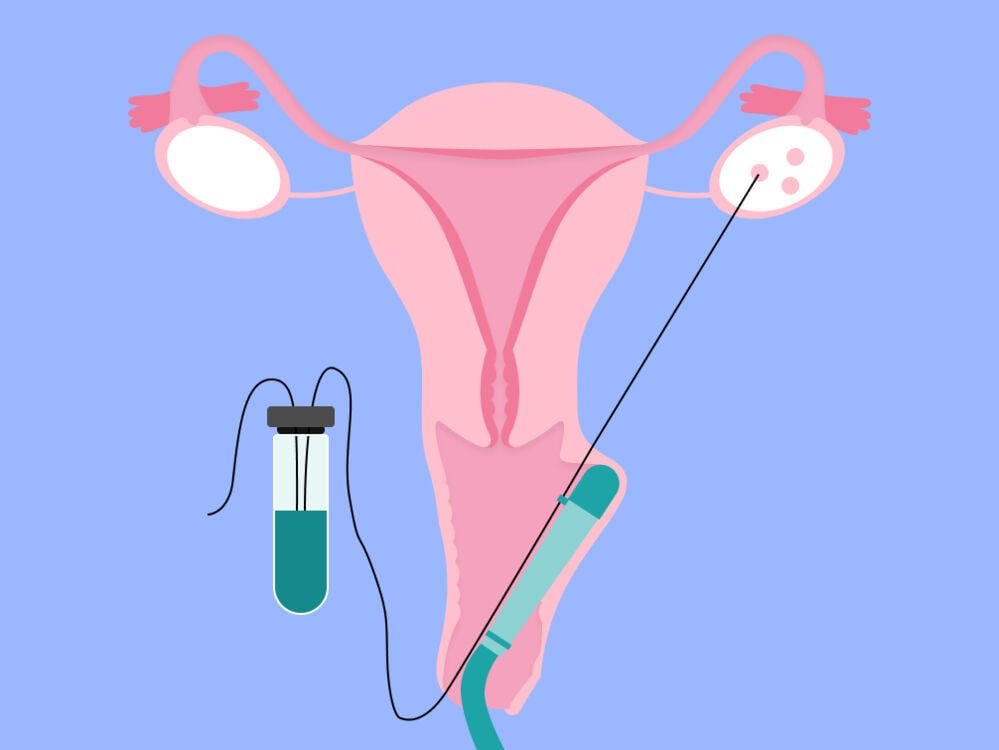
Once your follicles have matured and the eggs are ready, it’s time for them to finally be retrieved. This procedure is a quick one – taking only 20-30 minutes – and is usually done under light sedation. The doctor will use a thin, ultrasound-guided needle to collect the eggs from your ovaries through the vaginal wall.

During this, you’ll likely be asleep or deeply relaxed, not feeling anything while it’s happening. In fact, there is a good chance you’ll wake up with little memory of the procedure itself, feeling only some mild cramping or soreness in the pelvic region – similar to period cramps. Some people also say that they experience light spotting or a strange feeling of pressure in the lower abdomen afterwards. This is generally because your ovaries need time to return to normal.

What does recovery from egg freezing feel like?

After your eggs are successfully collected, you’ll need to stay at the clinic for a short bit more before heading back home. There is a good chance you’ll feel groggy and sleepy after the surgery, mostly because of the sedation, so it’s best to have someone accompany you on your way back home. From here on, the recovery period will involve mild cramping and bloating for a few days, along with some fatigue and heaviness. But most of these symptoms should improve within a week at most.

One thing you should certainly avoid is strenuous exercise or heavy physical activity for the first 24 to 48 hours after surgery. No need to take complete bed rest, but try to keep things slow when returning to your everyday life. Another thing to remember is that your body has just gone through a hormone-heavy cycle, so your next period may feel a bit different, arriving either earlier or later than expected.

You’ll also need to take up a few follow-up appointments with the clinic to check how well the recovery is going. Specifically, your doctor will keep an eye out for conditions like ovarian hyperstimulation syndrome, in which the ovaries end up reacting too strongly to the medications during the initial stimulation. Its symptoms only fully manifest after retrieval, which is why the monitoring is needed. But thanks to modern medicine and the protocols clinics have in place for every possible complication, the risk of such things is quite low now.

Can egg freezing affect you emotionally?

Interestingly, many people say it is more difficult to move emotionally from the procedure than physically. The period after the procedure can bring up a lot of emotions – hope, anxiety, relief, uncertainty, sometimes all at once. It makes sense, since the decision to freeze one’s eggs is not a light one – usually tied to bigger life questions over fertility, timing, relationships, money, career, and the future in general. Should things feel overwhelming or difficult to manage on your own, speak to someone you trust or a counsellor about it.

Basically, you need to reframe your thoughts a little. Whatever your reason for freezing your eggs, it is important to remember that this is simply a way to give yourself more leverage in the future. While it cannot guarantee a future pregnancy, it can offer you a chance to preserve your eggs when they are potentially at their healthiest, all while letting you focus on your present as best as you can.

The bottom line

At the end of the day, is egg freezing a painful process? Not really. But the more honest answer would be that it can be uncomfortable for some people. The injections can cause side effects, the ovaries may become bloated afterwards, and the recovery may require you to go through a few days of cramping. But when it comes to the procedure itself, there is practically very little for you to worry about. Sooner or later, you will easily find yourself returning to your everyday routine. It may be a slightly rocky road here and there, but the sheer reassurance you get from preserving your fertility for the right time more than makes up for it.

Continue Reading
Click to comment

Leave a Reply

Your email address will not be published. Required fields are marked *

Health

Are There Hidden Costs In Abortion Pill Services? What You Should Check

Published

on

By

Despite the incredible rise of abortion pill services in the UK these past few years, it still remains surrounded in a fog of confusion and intrigue. One big thing that often comes to people’s minds when considering it is just how much it will cost.

The reason why this happens is simple: Although most providers have a clear starting price upfront, you’ll often hear that it doesn’t reflect the actual amount you end up paying. Not that these people are trying to mislead you, but medical services in general involve many things that aren’t included in the initial cost.

Obviously enough, the last thing you want during a stressful time such as this is to face expenses that jump out at you out of nowhere. So, keeping that in mind, let’s take a close look at what abortion pill services typically include and where you can expect some additional costs to appear.

What does the abortion pill service usually include?

A medical abortion involves the use of two medications taken one after another and generally in the early stages of pregnancy (up to 10 weeks of gestation). You get these medications after consulting the service provider’s doctor and can also get them by post, allowing you to go through an abortion from the comfort of your home. These are the things your service provider is highly likely to include in the base price. It may also include follow-up support and additional services, but the details vary from one provider to another. In fact, you could be paying the same amount at two different places but getting different levels of service. As such, it is best to compare providers and ask what they all provide when comparing the cost of the abortion pill in the UK.

Consultation and eligibility assessments

As mentioned previously, your consultation fee will almost always be included in the advertised price. However, some providers list only the cost of the pills on their websites and ads, so the consultation will appear as an additional cost at the very end. Some clinics may even separate eligibility assessments across different tests, all of which can be charged separately. Not only that, expedited scheduling or out-of-hours appointments can occasionally also incur an additional fee. This is especially true for private clinics that operate outside regular working hours or offer weekend availability.

This, in turn, can add anywhere from a modest fee to a substantial one, depending on the clinic. When checking out a clinic, make sure the consultation costs are clearly listed as included or excluded, and that it is clearly explained what the consultation will include.

Additional tests or scans

While most medical abortions can proceed depending on your medical history and symptoms alone, there are situations wherein the doctors may recommend getting a few more tests, especially to confirm how far along you really are. These may include a few blood tests, ultrasound scans, and other evaluations, all of which will likely be offered as optional add-ons to your service. This isn’t problematic on its own, as every person’s situation is different, and abortion care needs to be tailored to everyone individually. The important thing is that your clinic of choice is maintaining utmost transparency with these tests – you are clearly informed why these tests are required, and are told beforehand whether these tests are included in the base cost or not.

Delivery charges and medication logistics

If you’re considering getting the abortion pills by post, do note that telemedicine services often include courier costs as an additional cost. Depending on how quickly you need the medication and the delivery method you choose, this fee can go from small to enough to put a dent in your wallet.  In some cases, clinics partner with specific pharmacies to provide the medications, especially if the pills are not shipped directly from the provider. When this happens, you may also need to pay a charge known as dispensing or pharmacy handling fees.

With telemedicine, you also want to make sure your provider includes instructions on taking the pill, access to medical guidance (in person or via video call), and a helpline in case of any complications during the process. These are extremely important when getting the pills online, so make sure they are included or at least available as an add-on.

Follow-up care and support

This is the final thing that can affect the price of your abortion process. After you take the pills, most doctors will recommend getting a follow-up to confirm that the abortion is successful and nothing is left unaddressed. This can be an in-clinic visit, a phone consultation, or just a home pregnancy test after a few weeks. Some good ones also include access to a counsellor if the whole thing has taken a mental toll on you. Generally speaking, this should certainly be included as part of the standard package, but some clinics treat it as an additional feature, especially when further medical treatment is required.

Having clear access to follow-up care is very important during such an emotionally difficult time. So while complications with medical abortions are rare, you still need to make sure that your clinic covers risks and complication-related treatments and does not include them as an additional cost later.

Getting the help you deserve

One thing you should note is that abortion services in the UK are legally obligated to be as transparent as possible about their pricing. As a result, many treat items that should typically be included in the package as additional costs. This is why, when looking for the right provider for your case, make sure not to focus only on the headline price. Always check for those asterisks – if the service has any hidden costs that could hit you out of nowhere. If something confuses you, the best thing you can do for yourself is simply contact the provider for an explanation. If things feel satisfactory, move ahead; otherwise, keep looking for a better provider. If you act smartly right now, not only will you get your money’s worth, but you’ll also be able to focus on receiving the safe and reliable help that you deserve.


Continue Reading

Health

Asbestlint in 2026: Short, Clear, and Informative Guide

Published

on

By

Asbestlint in 2026: Short, Clear, and Informative Guide

What Is Asbestlint?

Asbestlint is an informal term used to describe fine, dust-like or lint-like asbestos fibers that are released when asbestos-containing materials (ACMs) deteriorate or are disturbed. These fibers are extremely small, lightweight, and easily become airborne, making them dangerous to inhale. Unlike visible debris, asbestlint often looks like ordinary dust, which makes it difficult to recognize.

The term can also refer to woven asbestos products such as tape, rope, or cloth that were historically used for insulation and fireproofing. When these materials age, fray, or break, they release microscopic fibers into the air. This means asbestlint is not a new substance—it is simply asbestos in a loose and highly hazardous form.

Why Asbestlint Is Dangerous

Asbestlint in 2026: Short, Clear, and Informative Guide

Asbestlint in 2026: Short, Clear, and Informative Guide

The main danger of asbestlint comes from its ability to enter the lungs. These fibers are so small that they bypass the body’s natural defenses and settle deep in lung tissue. Once inside, they remain there for years because the body cannot break them down.

Asbestlint is also friable, meaning it crumbles easily and releases fibers with minimal disturbance. Activities like sweeping, drilling, or even walking nearby can send fibers into the air. These particles can stay suspended for long periods and spread through ventilation systems, increasing exposure risk.

There is no safe level of asbestos exposure, and even small amounts can accumulate over time, leading to serious health problems.

Health Risks of Exposure

Exposure to asbestlint is linked to several severe diseases. The most common include:

  • Asbestosis – scarring of lung tissue that causes breathing difficulties
  • Lung cancer – risk increases significantly, especially for smokers
  • Mesothelioma – a rare but aggressive cancer almost exclusively caused by asbestos

These diseases often take 10 to 50 years to develop, which means people may not realize they were exposed until much later. Even short-term exposure can be harmful, especially for children, older adults, and people with respiratory issues.

Where Asbestlint Is Found

Asbestlint is most commonly found in older buildings, especially those built before the 1990s. Common locations include:

  • Pipe insulation and boiler systems
  • HVAC ducts and vents
  • Ceiling and floor materials
  • Old asbestos tape, rope, or gaskets

Signs may include fluffy dust, brittle insulation, or crumbling materials, but asbestos cannot be confirmed by sight alone.

Identification and Testing

You cannot reliably identify asbestlint just by looking at it. It often resembles normal dust or fabric. The only way to confirm its presence is through professional testing.

Certified inspectors collect samples and analyze them using specialized methods like microscopy testing. Air testing may also be used to detect airborne fibers in indoor environments.

Safe Handling and Removal

If you suspect asbestlint, do not disturb it. Disturbance releases fibers into the air and increases risk. Instead:

Experts use controlled methods like sealed containment, HEPA filtration, and protective equipment to safely remove or manage asbestos.

Prevention and Safety Tips

To reduce risk from asbestlint, follow these basic precautions:

  • Inspect older buildings before renovation
  • Use professionals for asbestos surveys
  • Maintain materials in good condition
  • Use HEPA filters for cleaning if needed

Awareness is key. Asbestlint highlights how asbestos can exist as invisible airborne contamination, making proper knowledge and caution essential for safety.

Conclusion

Asbestlint represents one of the most dangerous forms of asbestos exposure—fine, airborne fibers that are easy to inhale and hard to detect. While asbestos use has declined, the risk remains in older structures where materials continue to age and degrade. Understanding where it comes from, how it spreads, and how to handle it safely can significantly reduce health risks and prevent long-term harm.

FAQs

1. Is asbestlint different from asbestos?
No, it is not a different material. It refers to asbestos in a loose, lint-like or fibrous form.

2. Can I clean asbestlint myself?
No. Cleaning without proper equipment can spread fibers into the air. Always call professionals.

3. Is short exposure dangerous?
Even short exposure can carry risk because asbestos fibers accumulate in the lungs over time.

4. How do I know if my home has asbestlint?
You need a professional asbestos inspection and testing to confirm its presence.

5. Are modern buildings safe from asbestlint?
Most newer buildings are safer, but older materials may still exist in some structures, so inspection is important.

Continue Reading

Health

Vitilinox: The Complete Guide to the Natural Vitiligo Skin Support Product, Topical Cream, Oral Supplement, Ingredients, Benefits, and Real User Experiences
Published

on

By

Vitilinox: The Complete Guide to the Natural Vitiligo Skin Support Product

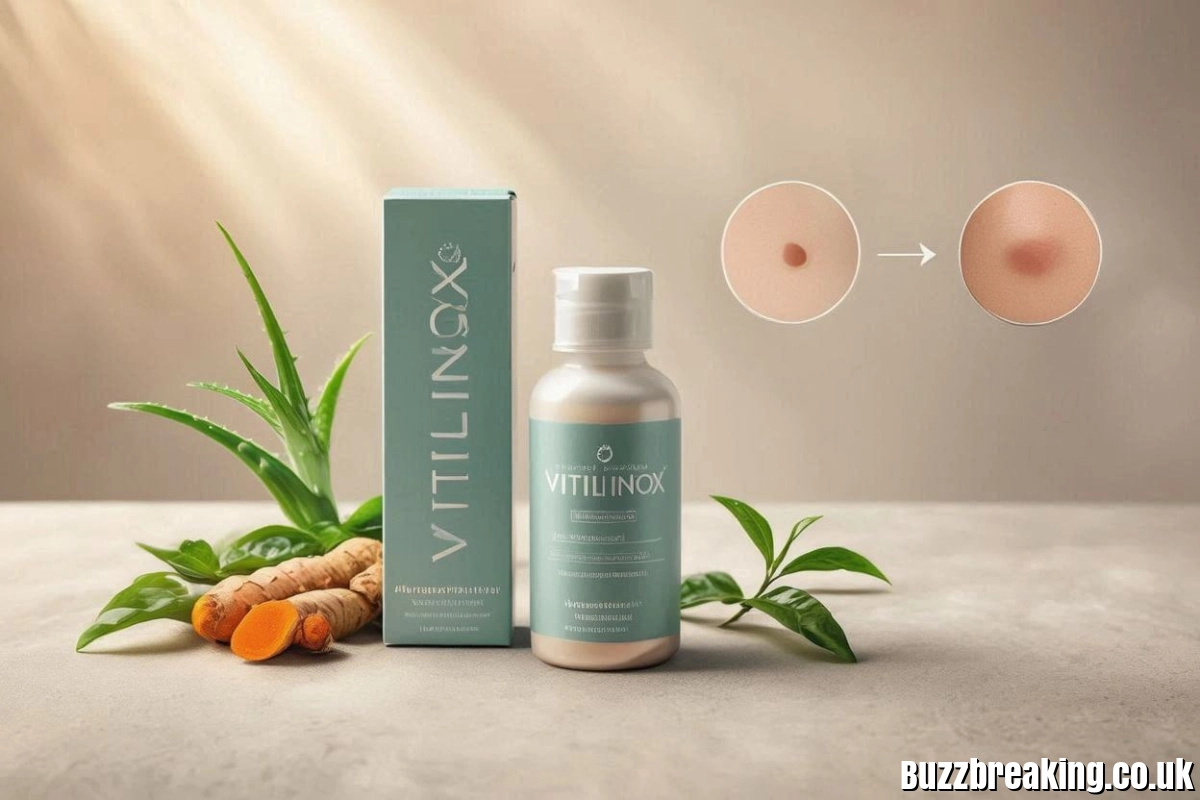
Vitilinox has emerged in 2026 as one of the most searched natural vitiligo support products, especially among people looking for alternatives or complements to prescription treatments. Marketed primarily as a topical cream — and sometimes paired with an oral supplement — Vitilinox is designed to support melanin production, reduce oxidative stress, and promote skin repigmentation using plant-based ingredients.

Unlike pharmaceutical treatments such as topical corticosteroids, phototherapy, or the newer ruxolitinib cream, Vitilinox positions itself as a gentler, holistic option. It combines botanical extracts, antioxidants, and skin-supporting nutrients intended to help protect melanocytes, the pigment-producing cells affected in vitiligo.

Search interest in Vitilinox 2026 continues to grow due to increased awareness of natural vitiligo remedies, rising demand for non-steroid skin treatments, and social media discussions around repigmentation success stories. This complete guide explains what Vitilinox is, how it works, ingredients, benefits, limitations, real user experiences, and whether it’s worth trying in 2026.


What Is Vitilinox? A 2026 Product Overview

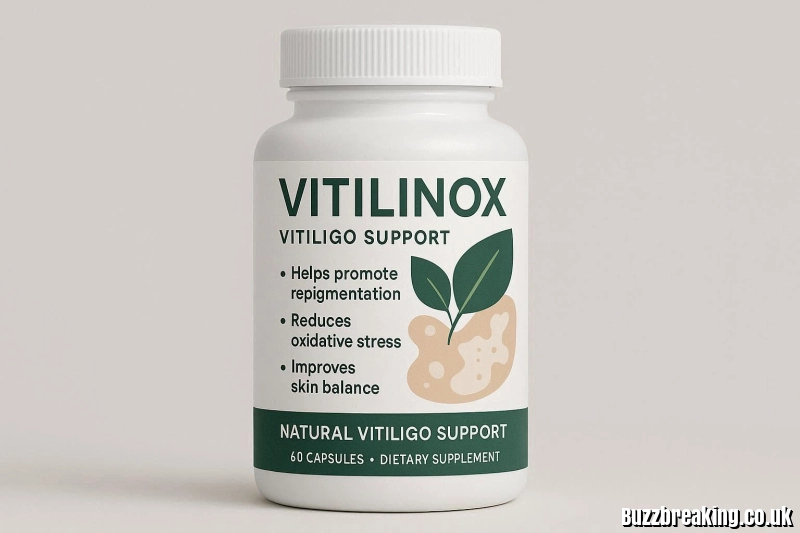
Vitilinox is marketed as a natural vitiligo support formula available primarily as a topical cream and sometimes as an oral supplement. The product focuses on supporting skin repigmentation, reducing oxidative stress, and improving skin balance in areas affected by vitiligo. Rather than functioning as a pharmaceutical treatment, Vitilinox is promoted as a complementary skincare solution that can be used alongside medical therapies or as part of a holistic routine.

The topical cream is designed to be applied directly to depigmented patches, where it delivers botanical compounds believed to stimulate melanocyte activity. The oral supplement, when included, aims to provide internal antioxidant support, targeting immune-related factors often associated with vitiligo. This dual approach — external application + internal support — is a key part of the Vitilinox concept.

In 2026, Vitilinox is primarily sold online and discussed across health blogs, vitiligo forums, and natural skincare communities. It appeals especially to individuals who want to avoid long-term steroid use, reduce reliance on UV therapy, or explore plant-based alternatives. However, it is important to understand that Vitilinox is not FDA-approved and is not a guaranteed cure for vitiligo. Instead, it is positioned as a supportive product that may help some users improve skin tone and slow progression.

Another reason Vitilinox has gained traction is its gentle formulation. Many users report that it feels non-greasy, lightweight, and suitable for daily application, including on face, hands, and sensitive areas. Because vitiligo often affects visible parts of the body, this cosmetic usability becomes an important factor.

Ultimately, Vitilinox 2026 sits in the growing category of natural dermatology support products, combining traditional herbal ingredients with modern understanding of autoimmune skin conditions.


Understanding Vitiligo and How Vitilinox Claims to Help

Vitilinox

Vitilinox

To understand how Vitilinox works, it’s essential to understand vitiligo itself. Vitiligo is an autoimmune skin condition where the body’s immune system mistakenly attacks melanocytes, the cells responsible for producing melanin, the pigment that gives skin its color. When melanocytes are destroyed or stop functioning, white patches appear on the skin.

Research in recent years highlights two major contributors to vitiligo:

  • Autoimmune activity
  • Oxidative stress

Oxidative stress occurs when harmful molecules called free radicals damage melanocytes. Many natural treatments, including Vitilinox, focus on reducing this damage. Vitilinox claims to support melanocyte recovery by delivering antioxidants, herbal compounds, and skin-conditioning agents.

The topical formula is designed to penetrate depigmented skin, where it may help:

  • Support melanin production
  • Protect remaining melanocytes
  • Improve skin hydration
  • Reduce inflammation
  • Encourage gradual repigmentation

The oral supplement version aims to address internal immune balance. This approach is based on the idea that vitiligo is not only a skin condition but also an immune-related disorder. By supporting the body internally, Vitilinox attempts to provide a whole-body strategy.

In 2026, dermatology experts emphasize that no natural product alone cures vitiligo, but some ingredients — like those used in Vitilinox — have traditional and preliminary scientific support. For example, psoralen-containing plants have been used in PUVA therapy, a recognized vitiligo treatment combining plant compounds with UV exposure.

This is why many users combine Vitilinox + sunlight exposure or Vitilinox + phototherapy to maximize potential results. However, this should always be done under medical guidance, especially since light-sensitive ingredients may increase sun sensitivity.

Overall, Vitilinox claims to work by protecting melanocytes, supporting pigment production, and improving skin health, rather than forcing rapid repigmentation like some pharmaceuticals.


Key Ingredients in Vitilinox and Their Skin Benefits

The effectiveness of Vitilinox largely depends on its plant-based ingredients. These ingredients are chosen for their antioxidant, anti-inflammatory, and melanin-supporting properties. While formulas may vary slightly, most Vitilinox 2026 versions include several core components.

Babchi (Psoralea Corylifolia)

One of the most important ingredients is Babchi, also known as Psoralea corylifolia. This plant contains psoralens, compounds traditionally used in vitiligo phototherapy. Psoralens help sensitize the skin to light, which may stimulate melanin production. This ingredient has been used in Ayurvedic medicine for centuries for skin pigmentation disorders.

Piperine (Black Pepper Extract)

Piperine, derived from black pepper, is believed to enhance melanocyte stimulation and improve ingredient absorption. Some laboratory studies suggest piperine may promote pigment cell activation, which is why it’s often included in natural vitiligo products.

Antioxidants

Vitilinox typically includes antioxidants such as:

  • Vitamin E
  • Plant polyphenols
  • Herbal extracts
  • Natural oils

These compounds help reduce oxidative stress, one of the key factors linked to melanocyte damage.

Skin Conditioning Agents

The cream often contains moisturizing ingredients designed to improve skin barrier function. These may include:

  • Aloe vera
  • Natural oils
  • Botanical extracts
  • Hydrating compounds

These help prevent dryness and improve skin texture, which many users notice even before repigmentation begins.

Together, these ingredients create a gentle, multi-action formula that aims to support pigment return, improve skin health, and reduce inflammation.


Reported Benefits of Vitilinox for Vitiligo

Users searching for Vitilinox reviews 2026 often look for real-world benefits. While results vary, several commonly reported advantages appear across testimonials and discussions.

One of the most frequently mentioned benefits is gradual repigmentation. Some users report freckling, small pigment dots appearing within white patches, which may gradually expand. This process is similar to how repigmentation occurs with medical treatments.

Another benefit is improved skin texture. Even when pigment return is slow, users often notice softer, healthier-looking skin. This is likely due to the moisturizing and antioxidant ingredients in the formula.

Many users also appreciate the gentle nature of Vitilinox. Unlike steroid creams, which can thin the skin, Vitilinox is marketed as safe for long-term use. This makes it appealing for face, hands, and neck areas.

Psychological benefits are also frequently mentioned. Vitiligo can significantly impact self-confidence, and even minor improvements can help users feel more comfortable. Some report feeling encouraged by early pigmentation signs, even if full repigmentation takes months.

Other commonly cited benefits include:

  • Reduced spread of patches
  • Better skin hydration
  • Even skin tone appearance
  • Minimal irritation
  • Natural formulation

However, it’s important to emphasize that results are not guaranteed. Some users experience noticeable changes, while others see minimal improvement.


How to Use Vitilinox for Best Results

Using Vitilinox correctly is essential for achieving potential benefits. Most Vitilinox 2026 usage guidelines recommend consistent daily application over several weeks or months.

First, clean and dry the affected area. Applying Vitilinox to clean skin helps absorption. A small amount should be applied directly to depigmented patches, then gently massaged until fully absorbed. Most instructions recommend using it once or twice daily.

Consistency is critical. Natural products typically work slowly, and users are often advised to continue for 8–12 weeks before evaluating results. Some users report changes earlier, while others require several months.

If using the oral supplement, it is usually taken once or twice daily with food. This supports internal antioxidant levels.

Many users combine Vitilinox with:

  • Controlled sunlight exposure
  • Phototherapy sessions
  • Healthy diet
  • Stress reduction
  • Vitamin supplementation

These lifestyle factors may influence results, since vitiligo is affected by immune function, nutrition, and stress.

Patch testing is recommended before full use. Apply a small amount to a limited area to check for irritation. Avoid broken skin and sensitive areas until tolerance is confirmed.


Safety, Side Effects, and Dermatologist Advice

Vitilinox is generally marketed as safe and gentle, but safety considerations still apply. Because it contains active botanical ingredients, some users may experience mild reactions.

Possible side effects include:

  • Mild redness
  • Tingling sensation
  • Temporary irritation
  • Increased sun sensitivity

These effects are typically mild and temporary. However, ingredients like babchi may increase photosensitivity, meaning users should avoid excessive sun exposure without guidance.

Dermatologists recommend consulting a professional before starting any vitiligo product, especially if you are already using:

  • Steroid creams
  • JAK inhibitors
  • Phototherapy
  • Prescription medications

Vitilinox should not replace medical treatment without professional advice. It is best used as a complementary option.

Pregnant or breastfeeding individuals should also consult a doctor before use.


Vitilinox vs Other Vitiligo Treatments in 2026

In 2026, several treatment options exist for vitiligo. Comparing Vitilinox to these helps clarify its role.

Ruxolitinib cream (Opzelura) is one of the newest approved treatments. It has clinical evidence supporting repigmentation, especially on the face. However, it requires prescription and may have side effects.

Topical corticosteroids can produce faster results but carry risks like skin thinning and stretch marks.

Phototherapy (NB-UVB) remains a standard treatment but requires regular clinic visits.

Vitili nox differs by being:

  • Natural
  • Non-prescription
  • Gentle
  • Suitable for long-term use
  • Holistic approach

However, it lacks large clinical trials, which pharmaceutical treatments have.

Many users choose Vitilinox as:

  • A complementary treatment
  • A maintenance product
  • A natural alternative
  • A starting option for mild vitiligo

Real User Experiences and 2026 Reviews

User reviews of Vitilinox 2026 vary widely. Some report visible repigmentation, while others experience only skin improvements.

Positive experiences often mention:

  • Gradual pigment return
  • Soft skin texture
  • Easy application
  • No irritation
  • Natural ingredients

Neutral reviews note:

  • Slow results
  • Requires patience
  • Works better with sunlight

Negative reviews typically mention:

  • No visible change
  • Long time required
  • Variable effectiveness

These mixed results are typical for natural skin support products. Factors affecting results include:

  • Vitiligo duration
  • Patch location
  • Age
  • Immune health
  • Sun exposure
  • Consistency of use

Where to Buy Vitilinox in 2026

Vitilinox is mainly sold online through official websites, marketplaces, and health retailers. Buyers should verify authenticity to avoid counterfeit products.

Typical purchase options include:

  • Cream only
  • Cream + supplement bundle
  • Multi-month packages
  • Discount bundles

Prices vary depending on package size. Some sellers offer money-back guarantees.

Always check:


Is Vitilinox Worth Trying in 2026?

Vitilinox 2026 represents a natural, supportive approach to vitiligo management. While not a cure, it may help improve skin health, support repigmentation, and reduce oxidative stress for some users. Its gentle formulation, plant-based ingredients, and holistic philosophy make it appealing for those seeking alternatives to prescription treatments.

Because results vary, Vitilinox works best when combined with medical guidance, healthy lifestyle, and consistent use. For individuals exploring natural vitiligo solutions, Vitili nox remains one of the most discussed options in 2026.


FAQs

1. What is Vitilinox used for?
Vitilinox is a natural vitiligo support product designed to help promote repigmentation, reduce oxidative stress, and improve skin balance.

2. Does Vitilinox cure vitiligo?
No. Vitilinox is not a cure. It is a supportive product that may help improve skin appearance for some users.

3. How long does Vitilinox take to work?
Most users report needing 4–12 weeks of consistent use before seeing potential changes.

4. Is Vitilinox safe to use daily?
Vitilinox is generally considered safe for daily use, but a patch test and dermatologist consultation are recommended.

5. Can Vitilinox be used with other treatments?
Yes. Many users combine Vitilinox with phototherapy, sunlight, or medical treatments, but consult a doctor first.

Continue Reading

Trending

Copyright © 2026 Buzz breaking