
Health
Are There Hidden Costs In Abortion Pill Services? What You Should Check


Despite the incredible rise of abortion pill services in the UK these past few years, it still remains surrounded in a fog of confusion and intrigue. One big thing that often comes to people’s minds when considering it is just how much it will cost.
The reason why this happens is simple: Although most providers have a clear starting price upfront, you’ll often hear that it doesn’t reflect the actual amount you end up paying. Not that these people are trying to mislead you, but medical services in general involve many things that aren’t included in the initial cost.
Obviously enough, the last thing you want during a stressful time such as this is to face expenses that jump out at you out of nowhere. So, keeping that in mind, let’s take a close look at what abortion pill services typically include and where you can expect some additional costs to appear.
What does the abortion pill service usually include?
A medical abortion involves the use of two medications taken one after another and generally in the early stages of pregnancy (up to 10 weeks of gestation). You get these medications after consulting the service provider’s doctor and can also get them by post, allowing you to go through an abortion from the comfort of your home. These are the things your service provider is highly likely to include in the base price. It may also include follow-up support and additional services, but the details vary from one provider to another. In fact, you could be paying the same amount at two different places but getting different levels of service. As such, it is best to compare providers and ask what they all provide when comparing the cost of the abortion pill in the UK.
Consultation and eligibility assessments
As mentioned previously, your consultation fee will almost always be included in the advertised price. However, some providers list only the cost of the pills on their websites and ads, so the consultation will appear as an additional cost at the very end. Some clinics may even separate eligibility assessments across different tests, all of which can be charged separately. Not only that, expedited scheduling or out-of-hours appointments can occasionally also incur an additional fee. This is especially true for private clinics that operate outside regular working hours or offer weekend availability.
This, in turn, can add anywhere from a modest fee to a substantial one, depending on the clinic. When checking out a clinic, make sure the consultation costs are clearly listed as included or excluded, and that it is clearly explained what the consultation will include.
Additional tests or scans
While most medical abortions can proceed depending on your medical history and symptoms alone, there are situations wherein the doctors may recommend getting a few more tests, especially to confirm how far along you really are. These may include a few blood tests, ultrasound scans, and other evaluations, all of which will likely be offered as optional add-ons to your service. This isn’t problematic on its own, as every person’s situation is different, and abortion care needs to be tailored to everyone individually. The important thing is that your clinic of choice is maintaining utmost transparency with these tests – you are clearly informed why these tests are required, and are told beforehand whether these tests are included in the base cost or not.
Delivery charges and medication logistics
If you’re considering getting the abortion pills by post, do note that telemedicine services often include courier costs as an additional cost. Depending on how quickly you need the medication and the delivery method you choose, this fee can go from small to enough to put a dent in your wallet. In some cases, clinics partner with specific pharmacies to provide the medications, especially if the pills are not shipped directly from the provider. When this happens, you may also need to pay a charge known as dispensing or pharmacy handling fees.
With telemedicine, you also want to make sure your provider includes instructions on taking the pill, access to medical guidance (in person or via video call), and a helpline in case of any complications during the process. These are extremely important when getting the pills online, so make sure they are included or at least available as an add-on.
Follow-up care and support
This is the final thing that can affect the price of your abortion process. After you take the pills, most doctors will recommend getting a follow-up to confirm that the abortion is successful and nothing is left unaddressed. This can be an in-clinic visit, a phone consultation, or just a home pregnancy test after a few weeks. Some good ones also include access to a counsellor if the whole thing has taken a mental toll on you. Generally speaking, this should certainly be included as part of the standard package, but some clinics treat it as an additional feature, especially when further medical treatment is required.
Having clear access to follow-up care is very important during such an emotionally difficult time. So while complications with medical abortions are rare, you still need to make sure that your clinic covers risks and complication-related treatments and does not include them as an additional cost later.
Getting the help you deserve
One thing you should note is that abortion services in the UK are legally obligated to be as transparent as possible about their pricing. As a result, many treat items that should typically be included in the package as additional costs. This is why, when looking for the right provider for your case, make sure not to focus only on the headline price. Always check for those asterisks – if the service has any hidden costs that could hit you out of nowhere. If something confuses you, the best thing you can do for yourself is simply contact the provider for an explanation. If things feel satisfactory, move ahead; otherwise, keep looking for a better provider. If you act smartly right now, not only will you get your money’s worth, but you’ll also be able to focus on receiving the safe and reliable help that you deserve.
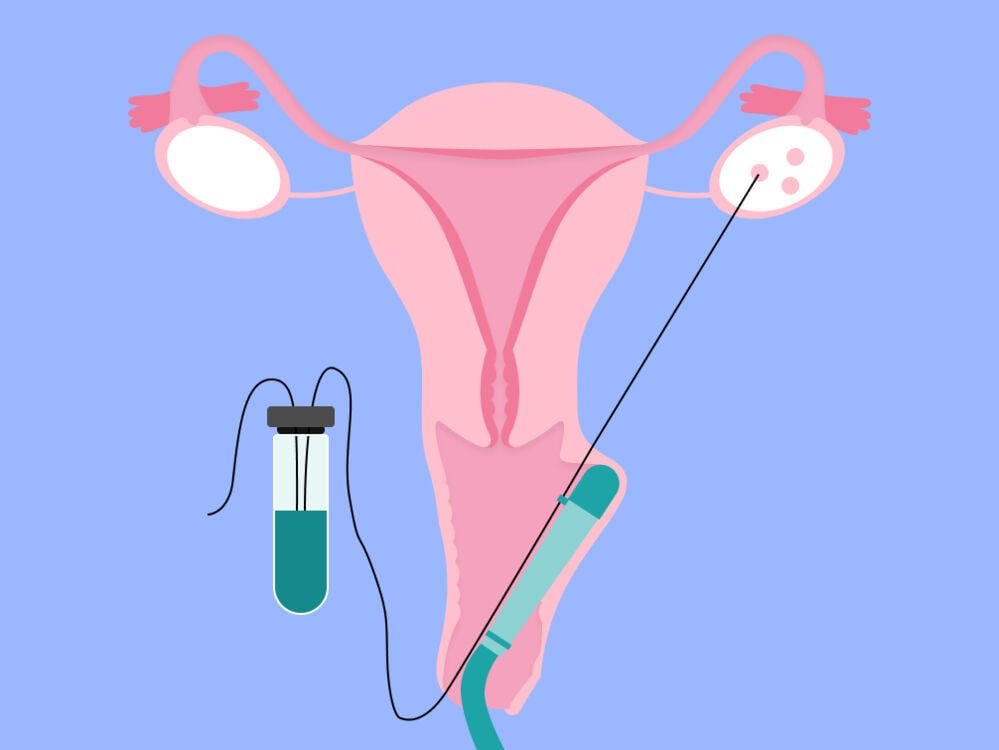
If you’ve been looking into fertility preservation – whether from wanting to postpone your pregnancy or just plain curiosity – you may have wondered if egg freezing is as simple and easy as everyone makes it seem. After all, for all we keep reading about this procedure and its wonders, there’s always very little mention of how comfortable it really is.
Well, like any other medical procedure that involves your hormones and some surgical stuff, egg freezing has its fair share of uncomfortable moments. But nothing about it can hurt you in any way whatsoever. In fact, once you read through what happens at each stage of this procedure, you’ll know exactly if it’s up your alley. So, keeping that in mind, let’s break down the entire egg-freezing process and figure out what the experience usually looks like.
Are hormone injections for egg freezing uncomfortable?
The first stage of an egg freeze usually involves stimulating your body’s hormones to trigger egg production. Normally, your body releases only one egg per menstrual cycle. But for this procedure, the doctors will require your ovaries to produce multiple eggs at once. This may sound abnormal at first, but it is all done in a very controlled manner and is very safe.
To ready your ovaries for the process, you’ll be asked to take daily hormone injections for 10 to 14 days in advance. These are smaller injections with extremely thin needles, administered just under the skin in areas such as the abdomen or upper thigh. It’ll only be a quick pinch that will last no more than a second.
Now, because the ovaries are being stimulated to produce multiple eggs, they tend to swell slightly, creating a feeling of bloating or heaviness. At the same time, you may also notice a few side effects from the hormone injections – things like mood swings, fatigue, breast tenderness, or headaches. These will feel similar to the hormonal fluctuations before a period, so nothing to worry about.
During this phase, any good clinic offering egg freezing in London will ensure your health is constantly monitored through blood tests and ultrasounds. So you can rest assured that everything here is within expectations. While yes, this part of the process does require a bit of patience and commitment, it will be nowhere near as uncomfortable as people assume.
What happens during the egg retrieval itself?
Once your follicles have matured and the eggs are ready, it’s time for them to finally be retrieved. This procedure is a quick one – taking only 20-30 minutes – and is usually done under light sedation. The doctor will use a thin, ultrasound-guided needle to collect the eggs from your ovaries through the vaginal wall.
During this, you’ll likely be asleep or deeply relaxed, not feeling anything while it’s happening. In fact, there is a good chance you’ll wake up with little memory of the procedure itself, feeling only some mild cramping or soreness in the pelvic region – similar to period cramps. Some people also say that they experience light spotting or a strange feeling of pressure in the lower abdomen afterwards. This is generally because your ovaries need time to return to normal.
What does recovery from egg freezing feel like?
After your eggs are successfully collected, you’ll need to stay at the clinic for a short bit more before heading back home. There is a good chance you’ll feel groggy and sleepy after the surgery, mostly because of the sedation, so it’s best to have someone accompany you on your way back home. From here on, the recovery period will involve mild cramping and bloating for a few days, along with some fatigue and heaviness. But most of these symptoms should improve within a week at most.
One thing you should certainly avoid is strenuous exercise or heavy physical activity for the first 24 to 48 hours after surgery. No need to take complete bed rest, but try to keep things slow when returning to your everyday life. Another thing to remember is that your body has just gone through a hormone-heavy cycle, so your next period may feel a bit different, arriving either earlier or later than expected.
You’ll also need to take up a few follow-up appointments with the clinic to check how well the recovery is going. Specifically, your doctor will keep an eye out for conditions like ovarian hyperstimulation syndrome, in which the ovaries end up reacting too strongly to the medications during the initial stimulation. Its symptoms only fully manifest after retrieval, which is why the monitoring is needed. But thanks to modern medicine and the protocols clinics have in place for every possible complication, the risk of such things is quite low now.
Can egg freezing affect you emotionally?
Interestingly, many people say it is more difficult to move emotionally from the procedure than physically. The period after the procedure can bring up a lot of emotions – hope, anxiety, relief, uncertainty, sometimes all at once. It makes sense, since the decision to freeze one’s eggs is not a light one – usually tied to bigger life questions over fertility, timing, relationships, money, career, and the future in general. Should things feel overwhelming or difficult to manage on your own, speak to someone you trust or a counsellor about it.
Basically, you need to reframe your thoughts a little. Whatever your reason for freezing your eggs, it is important to remember that this is simply a way to give yourself more leverage in the future. While it cannot guarantee a future pregnancy, it can offer you a chance to preserve your eggs when they are potentially at their healthiest, all while letting you focus on your present as best as you can.
The bottom line
At the end of the day, is egg freezing a painful process? Not really. But the more honest answer would be that it can be uncomfortable for some people. The injections can cause side effects, the ovaries may become bloated afterwards, and the recovery may require you to go through a few days of cramping. But when it comes to the procedure itself, there is practically very little for you to worry about. Sooner or later, you will easily find yourself returning to your everyday routine. It may be a slightly rocky road here and there, but the sheer reassurance you get from preserving your fertility for the right time more than makes up for it.


Health
Vitilinox: The Complete Guide to the Natural Vitiligo Skin Support Product, Topical Cream, Oral Supplement, Ingredients, Benefits, and Real User Experiences